Micro-Oases for Modern City Life

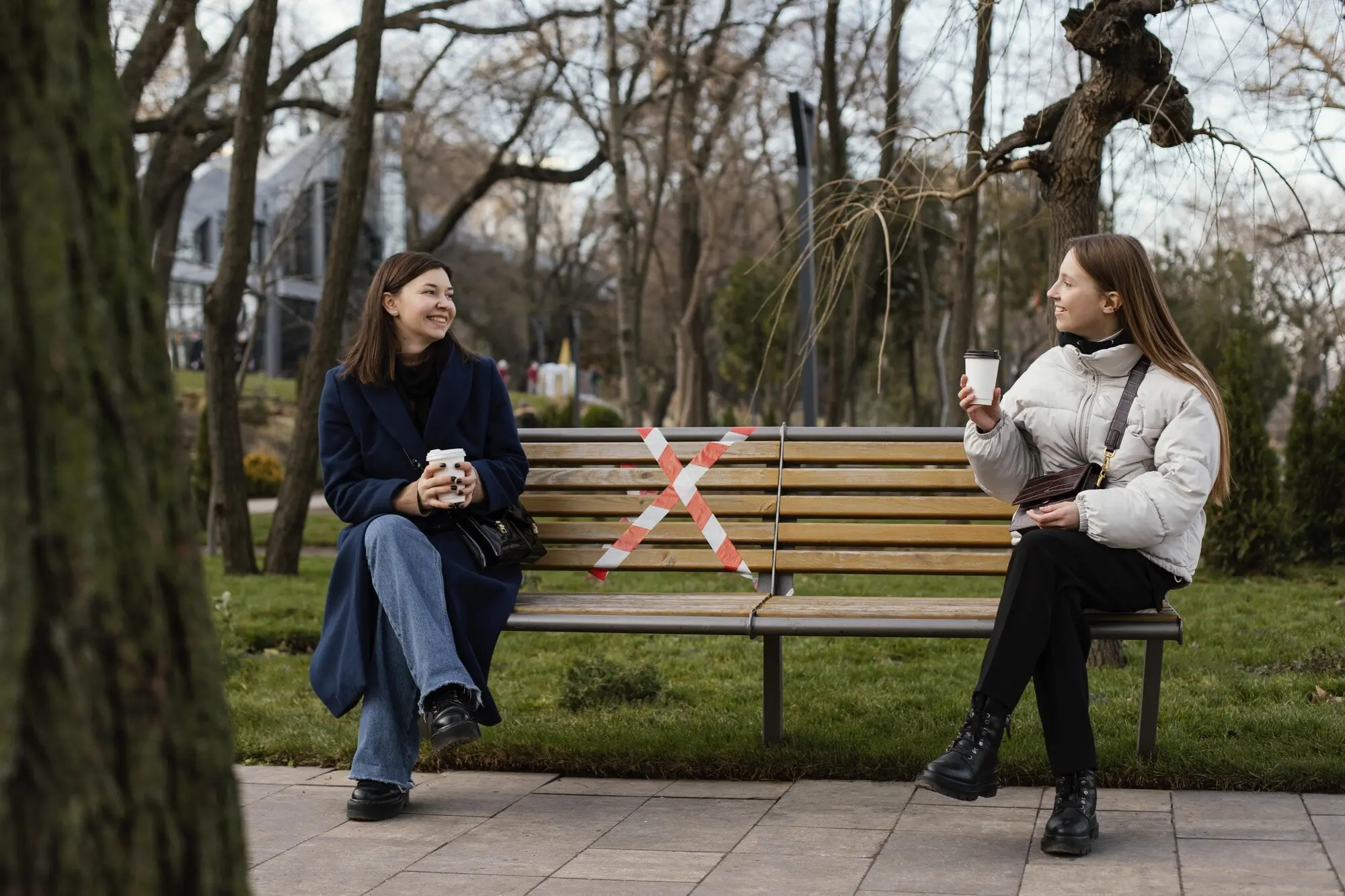
Today we explore micro-oases for modern city life: compact, restorative pockets of greenery, shade, and calm tucked into balconies, rooftops, sidewalks, and windowsills. You will find design tactics, heartfelt stories, and practical steps for transforming tight corners into nourishing spaces that cool heat-soaked blocks, invite conversation, and soothe frazzled minds. Share your experiments, ask questions, and return often as we grow a citywide constellation of small, generous places that quietly change how urban days feel.

Pocket Parks on the Corner

A reclaimed curb space with two trees, a low planter, and movable chairs becomes a dependable landmark where strangers begin to recognize each other’s rhythms. Add a chalkboard for announcements, a birdbath for visiting sparrows, and evening string lights. By protecting edges with planters and using permeable pavers for stormwater, the spot stays welcoming through seasons. The result is a daily invitation: sit, breathe, and let the block feel like a friendly front porch.

Windowsills that Breathe

Line a deep sill with herbs, trailing pothos, and a compact fern, and the entire room inhales differently. The fragrance nudges appetite and memory, while shifting green shadows soften screens and paperwork. Clip mint for tea, basil for pasta, and tuck a tiny notebook nearby for observations. Maintenance stays gentle with lightweight planters, saucers, and weekly bottom watering. A three-plant micro-oasis turns routine tasks into rituals, quietly improving indoor air movement and spreading calm through each afternoon.

Designing for Tiny Footprints

Vertical Layers and Climbing Life

Grow upward to multiply green surface area without consuming floor space. Slim trellises support jasmine, clematis, or beans, while pocket wall planters host lettuces and strawberries within arm’s reach. Alternate textures—glossy leaves beside feathery fronds—to create depth in a narrow view. Drip lines snake discreetly behind panels, and a simple gutter channels overflow to a catch pot. The vertical profile softens brick, tempers wind, and frames a cozy nook that feels larger than it measures.

Modular Pieces that Move

Choose wheeled planters, nesting tables, and clip-on rail boxes to reconfigure layouts for work, meals, or gatherings. Castors glide across deck tiles, letting you chase winter sun or open space for yoga. A bench lid hides tools, extra soil, and a compact watering can. By designing for seasonality and movement, you dodge the brittleness of fixed installations. The space learns with you, reshaping itself for quiet reading, neighbor chats, or an impromptu herb-harvesting celebration.

Light, Wind, and Water

Observe sunlight arcs for a week, noting warm hours and reflective glare. Track wind funnels between buildings and identify calmer pockets for seating. Map drainage routes so rain does useful work, feeding planters instead of pooling. Once microclimates are understood, placements become easy: shade-hungry ferns huddle under rails, heat lovers bask against southern walls, and a tiny water dish anchors visiting pollinators. The result is harmony, not struggle—less upkeep, sturdier plants, and a place that welcomes lingering.

Nature for Nervous Systems

Green textures, subtle movement, and gentle scents can help reset overstimulated minds. Short encounters—three mindful breaths beside leaves, a minute tracing a vine’s curve—lower mental noise and ease hurried thinking. Without grand gestures, micro-oases restore attention through soft fascination: the sound of wind in grasses, a bee whispering past, evening light filtering through fig leaves. Build small rituals, invite unhurried moments, and watch stress-detangled minutes quietly stitch resilience into the center of busy days.

Resilience in a Changing Climate

Cities heat rapidly and storms arrive harder, so small spaces must be tough and thrifty. Favor native or climate-adapted plants, capture rain before drains swallow it, and reflect excess sun where possible. Choose durable materials that age gracefully and safe soils that resist compaction. When micro-oases are built for flux, they keep giving—cooler thresholds, habitat for pollinators, and tiny water buffers during downpours—while sparing you frantic, expensive rescues after every heatwave or unexpected, wind-driven squall.

Community Sparks from Small Spaces

Micro-oases ripple beyond property lines. A bright planter on a stoop invites waves instead of glances; a modest parklet anchors pop-up concerts, reading swaps, or neighborhood seed exchanges. Shared stewardship loosens isolation and builds local knowledge—what thrives here, who needs shade at noon, which birds nest nearby. Trust grows in repeated, low-stakes encounters. Before long, these tiny anchor points stitch together safe routes, lively sidewalks, and gatherings that feel natural because the invitation lives right in the street.
Transform a single parking spot into a miniature plaza with planters as protective edges, a sturdy bench, and a small table bearing a community notebook. Keep sight lines open for safety, add reflective tape at corners, and mind accessibility clearances. Suddenly, coffee breaks drift outdoors, and neighbors learn each other’s names. Rotate planters seasonally to draw interest and schedule a monthly tidy-up. The block gains a pulse, beating gently between deliveries, school drop-offs, and evening strolls.
A few hand trowels, pruning shears, and a hose splitter can live in a coded box accessible to participating neighbors. A simple sign-out sheet and group chat handle logistics and quick advice. The library lowers barriers for first-time gardeners and cuts wasteful duplication. It also becomes a storytelling hub where people exchange tips, seeds, and weather lore. Tools alone do little; tools plus trust build rituals—Saturday sprucing, celebratory harvest photos, and spontaneous problem-solving when aphids or heat waves arrive.
Host a sunrise tea among herbs, a twilight poetry circle under string lights, or a seed swap themed around pollinator favorites. Keep formats gentle, time-limited, and welcoming to passersby. Provide cushions, a thermos, and a chalk sign announcing today’s offering. These gatherings teach the space to hold conversation and care. People leave with seedlings, ideas, and names they will wave to tomorrow. Engagement becomes organic, woven into the daily pace instead of bolted on as obligation.

Keeping It Alive Without Burnout

Sustainable joy depends on sustainable maintenance. Build tiny routines, automate wisely, and choose materials that forgive busy weeks. Sub-irrigated planters smooth watering schedules; slow-release fertilizer prevents feast-or-famine. A monthly reset—wipe leaves, top up mulch, refresh a cushion—keeps everything feeling loved. When your oasis supports you as much as you support it, consistency replaces guilt. The result is a dependable refuge that welcomes guests, relieves heat, and rewards attention with new growth, season after urban season.